+86-13819126663
Dehumidifiers Untuk Museum, Arsip dan Perpustakaan video

Dehumidifiers Untuk Museum, Arsip dan Perpustakaan

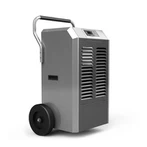
Dehumidifier 240L untuk Museum

Deskripsi

Penurun untuk Museum, Arsip


Fitur utama:

1. Aplikasi area besar: kapasitas dehumidification besar, cocok untuk permintaan dehumidification area besar, siklus angin besar


2, rentang kelembaban ultra-lebar: 20% -90% rentang kelembaban ultra-lebar, dapat memenuhi kebutuhan situs dehumidification yang berbeda, secara fleksibel dapat merespon lingkungan yang ekstrim


3, mendukung drainase terus menerus: pipa pembuangan eksternal, akses langsung ke pipa saluran pembuangan, drainase yang nyaman


4, dehumidification cerdas: mengandung chip pintar, akan otomatis dehumidification cerdas sesuai dengan kelembaban lingkungan saat ini, tidak perlu menonton


5, penilaian kesalahan cerdas: secara otomatis menentukan lokasi kesalahan dan umpan balik pada layar LCD untuk pemeliharaan


6, waktu dua arah: dapat mengatur waktu boot dan waktu shutdown sesuai dengan persyaratan kerja, mudah dioperasikan


Foto produk:

Dehumidifiers for Museums, Archives and Libraries

Dehumidifiers for Museums, Archives and Libraries

Parameter rinci:

Model DH-5168C
Penghapusan Kelembaban 168L / D atau 7L / H
Sumber daya 380V / 50HZ
Input Daya yang Dinilai 3.2KW
Daya saat ini 6.2A
Suhu Kerja 5-38 ℃
Sirkulasi udara 1600M3 / jam
Pendingin R22 / R407C
Berat bersih 108Kg
Berat kotor 118Kg
Menerapkan Ruang 150 ~ 200m2
Dimensi Produk 405x605x1620mm
Dimensi pengepakan 485x655x1680mm
Memuat Qty 33pcs / 20ft
Periode produksi 10 hari
Jaminan 1 tahun

Aplikasi untuk Dehumidifier di Museum, Arsip dan Perpustakaan

Konsep kelembaban (kelembaban absolut dan kelembaban relatif) biasanya terlibat dalam studi studi lingkungan museum. Untuk memahami kelembaban, perlu dipahami hubungan antara kelembaban relatif dan kelembaban absolut. Udara di sekitar kita mengandung sejumlah uap air, yang disebut udara basah; udara yang secara teori bebas dari uap air disebut udara kering. Kelembaban absolut adalah perbandingan massa uap air di udara dengan total volume udara lembab. Ini adalah ukuran jumlah uap air di udara.


Di bawah kondisi suhu tertentu, rasio kadar air di udara dengan kadar air di mana uap air di udara mencapai titik jenuh adalah apa yang biasanya kita sebut kelembaban relatif. Ketika kelembaban di udara mencapai tingkat tertinggi, itu disebut saturasi. Kelembaban relatif dalam hal ini adalah 100%.


Jumlah air yang dapat disimpan di udara dipengaruhi oleh suhu. Semakin tinggi suhunya, semakin banyak airnya. Karena itu, kelembaban absolut (kadar air) tidak berubah. Semakin tinggi suhunya, semakin rendah kelembaban relatif. Jika berat uap air di udara konstan dan suhu berubah, kelembaban relatif dapat sangat bervariasi.


Misalnya, untuk museum di lingkungan semi-terbuka, koleksi termasuk artefak logam dapat terkena suhu yang lebih tinggi dan kelembaban relatif selama pameran, tetapi untuk beberapa alasan artefak dipindahkan ke Dalam lingkungan suhu rendah, karena perubahan suhu. suhu, uap air di sekitar artefak logam akan mengembun dalam kondisi dingin, menyebabkan "kondensasi". Fenomena uap air "kondensasi" pada permukaan artefak logam merupakan penyebab penting korosi artefak logam.


Selain itu, kelembaban lingkungan di mana koleksi ditempatkan terlalu besar, yang membuat koleksi dengan ketahanan air yang buruk, seperti kertas, warna lukisan menjadi gelap, dan rentan terhadap bintik-bintik cetakan; dan jika kelembabannya terlalu rendah, kayu dan pernis akan retak. . Karena itu, mengontrol kadar air dan suhu atmosfer di museum cukup penting.


Saat ini, banyak museum dan galeri seni di rumah dan di luar negeri telah mulai menggunakan pengatur kelembaban atmosfer, penyerap kelembaban, dll. Untuk menyesuaikan kelembaban ruang pameran dan gudang, dan telah menerima hasil tertentu.

The concept of humidity (absolute humidity and relative humidity) is usually involved in the study of museum environmental studies. In order to understand the humidity, it is necessary to understand the relationship between relative humidity and absolute humidity. The air around us contains a certain amount of water vapor, which is called wet air; the air that is theoretically free of water vapor is called dry air. Absolute humidity is the ratio of the mass of water vapor in the air to the total volume of humid air. It is a measure of the amount of water vapor in the air.  Under certain conditions of temperature, the ratio of the water content in the air to the water content at which the water vapor in the air reaches the saturation point is what we usually call relative humidity. When the moisture in the air reaches the highest level, it is called saturation. The relative humidity in this case is 100%.  The amount of water that can be stored in the air is affected by the temperature. The higher the temperature, the more the water is. Therefore, the absolute humidity (water content) does not change. The higher the temperature, the lower the relative humidity. If the weight of water vapor in the air is constant and the temperature changes, the relative humidity may vary greatly.  For example, for museums in a semi-open environment, collections including metal artifacts may be exposed to a higher temperature and relative humidity during the exhibition, but for some reason the artifacts are moved to In a low temperature environment, due to the change of temperature, the water vapor around the metal artifacts will condense under cold conditions, causing


The concept of humidity (absolute humidity and relative humidity) is usually involved in the study of museum environmental studies. In order to understand the humidity, it is necessary to understand the relationship between relative humidity and absolute humidity. The air around us contains a certain amount of water vapor, which is called wet air; the air that is theoretically free of water vapor is called dry air. Absolute humidity is the ratio of the mass of water vapor in the air to the total volume of humid air. It is a measure of the amount of water vapor in the air.  Under certain conditions of temperature, the ratio of the water content in the air to the water content at which the water vapor in the air reaches the saturation point is what we usually call relative humidity. When the moisture in the air reaches the highest level, it is called saturation. The relative humidity in this case is 100%.  The amount of water that can be stored in the air is affected by the temperature. The higher the temperature, the more the water is. Therefore, the absolute humidity (water content) does not change. The higher the temperature, the lower the relative humidity. If the weight of water vapor in the air is constant and the temperature changes, the relative humidity may vary greatly.  For example, for museums in a semi-open environment, collections including metal artifacts may be exposed to a higher temperature and relative humidity during the exhibition, but for some reason the artifacts are moved to In a low temperature environment, due to the change of temperature, the water vapor around the metal artifacts will condense under cold conditions, causing

Tag populer: penurun untuk museum, arsip dan perpustakaanChina, produsen, pemasok, pabrik, grosir

Kirim permintaan

(0/10)

clearall